CACREP-Accredited
A recognized standard for quality and licensure readiness

Dedicated Licensure Preparation
Our graduates leave prepared to pass their NCE exam

100% Online
Earn your degree without on-campus visits

Field Experience Support
A dedicated team helps you secure your placement
Guiding the Next Generation Toward Their Brightest Future
You believe every student deserves someone in their corner. Walsh University's online School Counseling track, part of the Master of Arts in Counseling and Human Development program, prepares you to be that person. Through CACREP-accredited coursework, embedded field experience, and dedicated support at every step, you'll build the skills and professional credibility to pursue certification and step confidently into a school counseling career.
This track is built for purpose-driven professionals ready to support students' academic growth, social and emotional development, and college and career readiness in K-12 school settings, all while balancing the responsibilities you already carry.
Fast Facts
5 Start Dates Per Year
Begin when the timing is right for you

Balance Work, Life & School
A balanced course load designed for working adults

Part-Time Coursework
Study around your job and family
Chemical Dependency Certificate
Add an optional specialization to expand your reach
Field Experience Near Your Community
Gain hands-on experience close to home

Personal Enrollment Support
A dedicated advisor to guide you from application to program start

Make an Impact Sooner
Complete your degree in just over 3 years
About The Program
-
Build practical skills in lifespan development, addictions counseling, culturally responsive practice, and effective interviewing techniques—all essential for supporting diverse communities.
When entering the program with a 2.75 GPA or higher, you will not be required to take a GRE or MAT exam.
Guided by Catholic values emphasizing human dignity, guidance to prepare you to become a licensed counselor ready to serve. The program consists of:
- 60 total credit hours completed in just over three years, part-time.
- Five convenient starts per year,100% online coursework, and no on-campus visits required.
- 100 practicum hours and 600 internship hours.
-
-
-
Build practical skills in lifespan development, addictions counseling, culturally responsive practice, and effective interviewing techniques—all essential for supporting diverse communities.
When entering the program with a 2.75 GPA or higher, you will not be required to take a GRE or MAT exam.
Guided by Catholic values emphasizing human dignity, guidance to prepare you to become a licensed counselor ready to serve. The program consists of:
- 60 total credit hours completed in just over three years, part-time.
- Five convenient starts per year,100% online coursework, and no on-campus visits required.
- 100 practicum hours and 600 internship hours.
Why School Counseling
Our program’s coursework blends counseling theory with the practical, human-centered clinical skills that define effective mental health practice. Across the track, you'll develop the competencies clinical mental health counselors rely on every day.
You'll learn to:
- Design and deliver comprehensive school counseling programs aligned with professional standards
- Support students' academic growth, achievement, and success across the K-12 years
- Foster social and emotional development in students of all ages and backgrounds
- Guide students through college and career readiness planning
- Build strong, ethical, and culturally responsive relationships with diverse students, families, and educators
- Recognize signs of crisis, trauma, and mental health needs, and connect students with the right support
- Use data and assessment to strengthen student outcomes and inform your practice
By the time you begin your field experience, you'll be ready to put these skills into practice with the guidance of experienced supervisors.
What CACREP Accreditation Means for You
Walsh's counseling program holds accreditation from the Council for Accreditation of Counseling and Related Educational Programs (CACREP). This matters because CACREP is a recognized national standard for quality counseling education.
For you, it means your coursework aligns with professional standards, employers recognize your degree, and you graduate prepared to pursue licensure with confidence.
Field Experience and Placement Support
Confidence comes from doing the work.
That's why supervised field experience is built into your program, along with real support to help you get there.
Your field experience includes:
- 100 practicum hours to begin applying counseling skills with real clients or students
- 600 internship hours to deepen your supervised, hands-on experience
- Clinical placements completed near your community
- Experience across diverse settings that reflect real counseling work
How our placement support works:

1. We start early.
Your field experience team connects with you well before your placement begins, so nothing feels rushed.
2. We help you find sites.
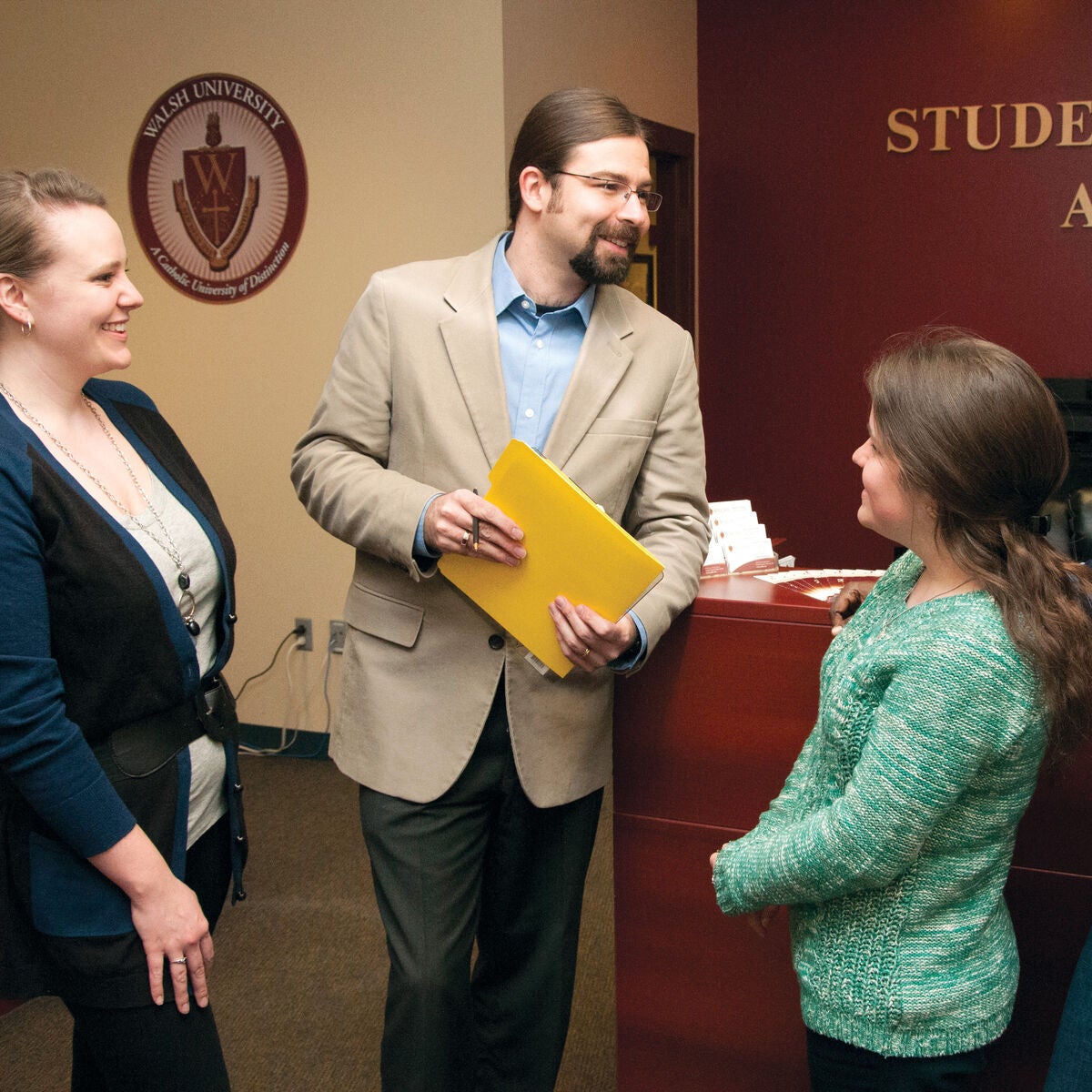
The team identifies approved practicum and internship options near your area at no additional cost.
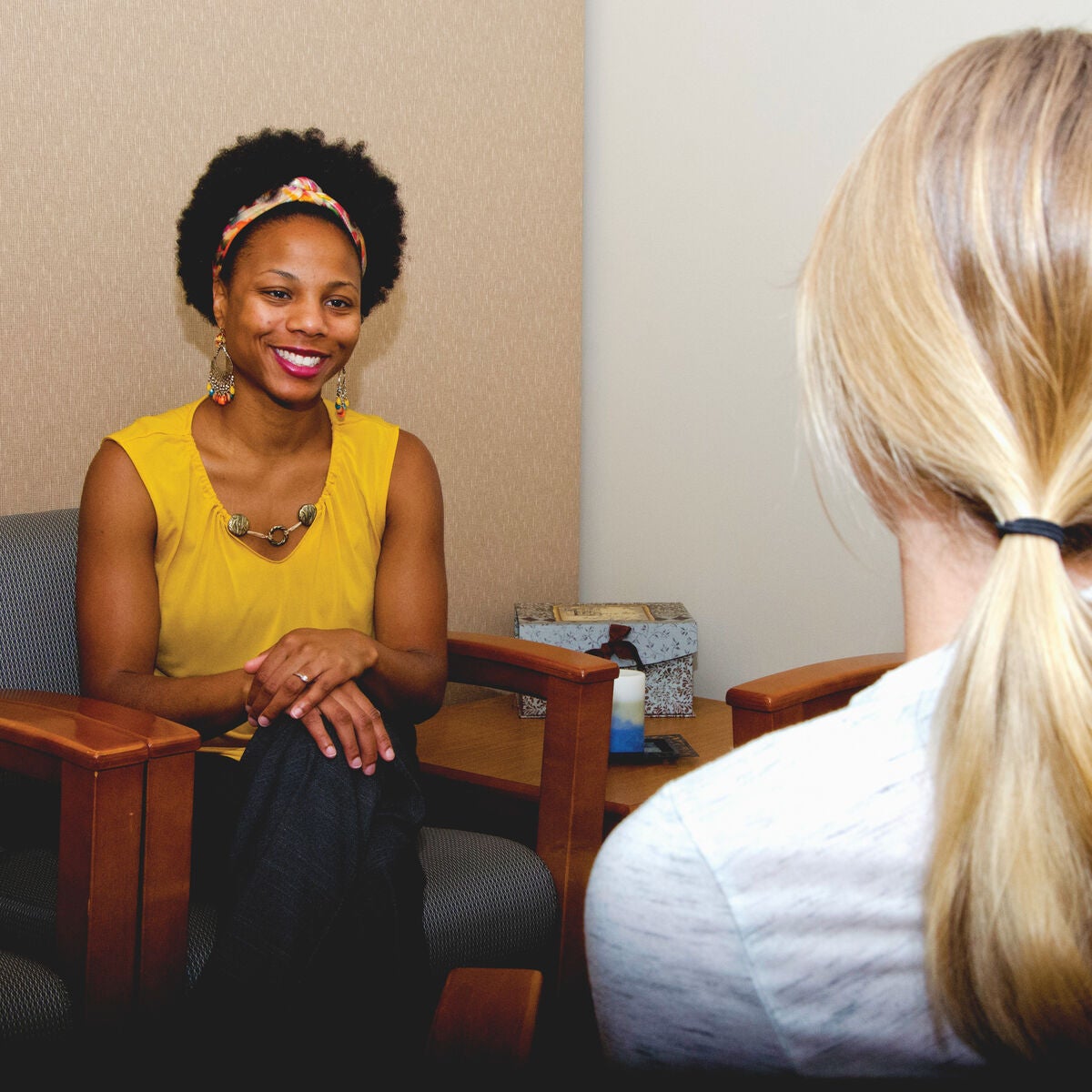
3. We handle the details.
From site agreements to supervisor coordination, we guide the process alongside you.
4. We stay with you.
You'll have a partner from your first placement hour to your final internship day.
Online School Counselor Degree Curriculum
Below is a sample list of courses you will take while enrolled in the online School Counseling program. After finishing 60 credit hours of coursework, you will complete 100 practicum hours and 600 internship hours within your community..
Orientation to the counseling profession through an examination of the history and philosophy of the counseling profession; professional roles of counselors; professional counseling organizations; and legal, ethical, and professional issues in professional counseling. Introduction to stages and strategies in the counseling process. Development of attending skills, basic and advanced counseling skills, as well as an introduction to case conceptualization skills. Includes an intensive laboratory focused on developing interviewing skills and mastering counseling procedures.
Introduction to School Counseling is a foundational course designed to introduce students to the school counseling profession. This course explores the history of the school counseling profession; the roles, functions, and professional identity of the school counselor; and the current models of school counseling programs such as the American School Counselor Association (ASCA) national model. Students will develop knowledge of the current issues and directions for the profession, and the requirements and challenges of being a professional school counselor.
Students will develop an understanding of counseling clients/students during crisis, disaster, and other trauma/grief causing events. This course will examine theories, models, assessment techniques, and intervention strategies. The counselor’s collaborative role in crisis preparedness and response is examined, including self-care strategies. The differences in responses to trauma/grief will be explored, along with counseling strategies to facilitate a healthy recovery. Counseling approaches for clients/students and families experiencing the trauma/loss such as suicide, death of a child/sibling, homicide, and unexpected death will be included.
The course covers the clinical management of common problems with children/adolescents. The importance of family and parent training is emphasized, as well as the critical need to intervene with children using play as the language of the child, Issues such as academic achievement, mood and anxiety, behavioral management, oppositional and defiant behavior, sexuality, substance use and abuse, self-harm and suicide are explored from a developmental perspective. Assessment, service planning and building a community-based system of care will be described based on current research literature. Creative interventions, including symbolic and art techniques, will also be explored. This course will be delivered in a hybrid format.
This course is designed to provide an overview of current issues in school counseling, such as achievement gap, academic success, preventing school dropout, at-risk youth, exceptional abilities, homelessness, etc. This course emphasizes developmentally appropriate prevention, intervention, and responsive counseling services for working with the diverse populations within the school setting. Included topics are program planning, implementation and evaluation, use of date and accountability, advocacy, and ethical and legal practices in the context of the school environment.
Want More Info?
Submit your information to access a brochure for our online counseling degree program.
Accepting Applications for the Next Intake
What Is the Career Outlook for School Counselors?
Few careers offer the combination of purpose, stability, and impact that school counseling provides. As schools continue to invest in student well-being and readiness, skilled school counselors are needed in communities across the country.
According to the U.S. Bureau of Labor Statistics, employment of school and career counselors and advisors is projected to grow 4% from 2024 to 2034 with a median annual wage of $71,430. This steady growth reflects an ongoing need for caring professionals ready to guide students toward academic success and meaningful futures.
Shape futures by empowering students to succeed. The School Counseling track equips you to guide students in academic growth, emotional resilience, and college and career planning, making a lasting impact in K-12 schools.
Your Career Opportunities:
- School Counselor: Develop and deliver counseling programs to address students' personal, academic, and social needs.
- College Advisor: Help students identify strengths and chart their path to higher education.
- Career Counselor: Guide students toward meaningful career opportunities aligned with their interests.
- Student Success Coordinator: Foster success by addressing barriers to learning and improving student outcomes.
This track prepares you to fill the growing demand for school counselors nationwide, while giving you the tools to create meaningful change in education settings.
Frequently Asked Questions
Walsh's CACREP-accredited program stands out for its clear focus on preparing you to pass your licensure exam and thrive in a counseling career and hands-on clinical training. Coursework is 100% online with no campus visits required, and practicum hours secured near your community.
You'll graduate career-ready, equipped to make a meaningful impact in a field facing a nationwide shortage of mental health professionals.
Walsh's program requires 100 practicum hours and 600 internship hours. This hands-on clinical experience is a core part of your training, giving you the confidence and real-world skills to work directly with clients under professional supervision before you graduate and satisfy the field requirements many states expect on the path to licensure.
Our field experience team works with you directly to help identify and secure approved practicum and internship sites in your area, guiding you through the process step by step.
No. You do not need a psychology background or undergraduate degree in psychology to apply. We welcome applicants from diverse academic and professional backgrounds united by a shared passion for helping others.
If you're considering a career change into counseling, this program is designed to give you the foundation and clinical training you need to succeed, regardless of your undergraduate major.
Walsh offers an optional Chemical Dependency Certificate you can add to your degree. This specialization deepens your expertise in substance use and addiction counseling, an area of growing demand, and helps you stand out to employers while expanding the populations you're prepared to serve.
The master’s degree program in counseling at Walsh University is accredited by the Council for Accreditation of Counseling and Related Educational Programs.