
How to Impact the Future of Nursing as a Nurse Educator
December 10, 2025
Nurse educators play a vital role in shaping the future of nursing by preparing the next generation of nurses to provide compassionate, evidence-based care. As experienced clinicians and skilled teachers, nurse educators bridge the gap between classroom learning and clinical practice.
If you have an interest in helping students master technical nursing skills while also developing the critical thinking and ethical foundations essential to the profession, becoming a nurse educator might be right for you. Beyond teaching, nurse educators influence curriculum design and contribute to healthcare research. Nurse educators can be advocates for policies that support safe and equitable care.
Role of a Nurse Educator
The role of a nurse educator combines clinical expertise with a passion for teaching. Nurse educators are responsible for:
- Demonstrating foundational concepts of medical care
- Designing curricula and implementing innovative teaching methods
- Integrating current research and technology into education
- Shaping how nurses think and respond to complex clinical situations
The impact of quality nursing education extends far beyond individual classrooms. Nurse educators are employed in hospitals and clinical facilities where they help build a resilient nursing workforce. These professionals are focused on fostering nurses who are capable of adapting to evolving health care needs and diverse patient populations.
Beyond classroom instruction, nurse educators guide students and licensed nurses through professional challenges and ethical dilemmas. They also promote personal growth within the nursing profession. When overseeing clinical experiences, nurse educators help ensure that learners apply theoretical knowledge safely and effectively in real-world environments.
Nurse educators also participate in interdisciplinary collaboration to promote holistic, patient-centered care while working alongside:
- Physicians
- Therapists
- Social workers
- Policy leaders
Research empowers nurse educators to champion patient advocacy and shape the future of health care policy. Stepping into this role means influencing standards of practice and driving meaningful change in the profession.
Steps to Becoming a Nurse Educator
Becoming a nurse educator involves first completing foundational nursing education, gaining clinical expertise and having genuine commitment to lifelong learning. The process typically includes the following steps:
1. Earn a Nursing Degree and Licensure
Begin your nurse educator journey by earning a Bachelor of Science in Nursing (BSN) degree and obtaining Registered Nurse (RN) licensure. A license to practice nursing comes after passing the NCLEX-RN exam. A strong foundation in nursing practice is essential before you transition into education.
2. Gain Clinical Experience
Nurse educators contribute to effective leadership in nursing when they bring real-world experience into the classroom. Most academic and clinical teaching roles require several years of professional nursing experience, ideally in a specialized area of practice.
3. Pursue Graduate Education
To teach at the associate or baccalaureate level, a Master of Science in Nursing (MSN) with a focus on education is typically required. Some college programs offer shorter certificate programs in nursing education that can supplement nursing studies and prepare nurses with educator skills.
For leadership or research and tenure positions, a Doctor of Nursing Practice (DNP) or Doctor of Philosophy (PhD) in nursing education is often preferred. Nurses who already hold a graduate degree can complete a post-master’s certificate in nursing education to gain specialized teaching preparation.
4. Obtain Certification
Earning the Certified Nurse Educator (CNE) credential from the National League for Nursing (NLN) demonstrates expertise and commitment to excellence as a nurse educator. Certification enhances your professional credibility and opens doors to potential opportunities for a high-paying nursing career. The MSN-NE program at Walsh University allows you to earn your MSN and CNE certification online together in as little as 3 semesters.
5. Develop Soft Skills
It's no secret that nurse educators need strong communication skills. Empathy is also helpful for fostering a supportive and encouraging learning environment. Additional soft skills for nurse educators include:
- Comfort with diverse learning styles and intercultural understanding
- Effective organization and collaboration among educators
- Mentorship abilities to guide students toward meaningful careers
Nurse educators can begin as bedside clinicians and become transformational leaders who inspire, teach, and shape the quality of health care for generations to come.
Why We Need Nurse Educators
We need nurse educators now more than ever to sustain and strengthen the future of the nursing profession. As health care demands grow along with the complexity of medical issues, the need for well-prepared nurses is evident.
A national shortage of nursing faculty is limiting the number of students that nursing programs can admit. According to the American Association of Colleges of Nursing (AACN), thousands of qualified applications are denied from nursing schools each year due to a lack of instructors, clinical placements and resources. Data from a 2023 survey of 922 schools across the U.S. revealed:
- 1,977 full-time faculty vacancies
- 7.8% nurse faculty vacancy rate
- 79.8% of vacancies requiring or preferring a doctoral degree
This nursing faculty shortage affects nursing education and also contributes to the broader nursing workforce shortage that impacts hospitals, clinics and underserved communities.

Personal and Professional Fulfillment
The call to become a nurse educator includes the potential for deep personal and professional fulfillment. Teaching allows experienced nurses to share their wisdom, values and clinical knowledge with other nurses, students, patients and families.
The role offers a unique impact through mentoring others who may go on to touch countless lives. Watching students grow more confident and move toward professional nursing practice brings lasting satisfaction to many nurse educators.
Making a Lasting Impact as a Nurse Educator
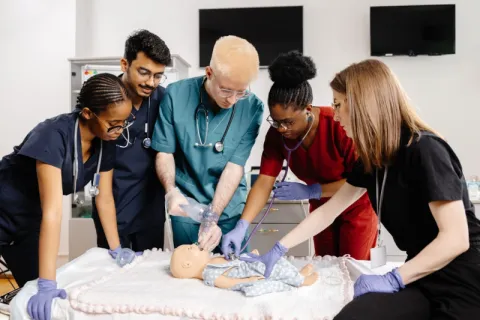
Beyond teaching clinical skills, education professionals shape the values and character of their students, as well as their coworkers. Every discussion, simulation and clinical experience is an opportunity to model excellent care and evidence-based practice. These lessons stay with students and influence the way they care for patients and collaborate.
Many nurse educators also experience moments of pride when a former student confidently advocates for a patient or handles a complex situation with empathy and skill. These successes are testaments to the long-term impact of mentorship in nursing education.
Nurse educators also engage in community health initiatives and public health education. Ultimately, being a nurse educator is both professionally rewarding and deeply meaningful. Becoming a nurse educator means you can:
- Shape clinical excellence
- Mentor future leaders
- Promote lifelong learning
- Enhance health care quality
- Leave a lasting legacy
In many ways, the quality of tomorrow’s health care depends on the vision and dedication of nurse educators today. They are shaping individual careers and the quality and safety of health care.
Lead the Future of Nursing
Earning an online Master of Science in Nursing: Nurse Educator degree is the first step to launching your career as a nurse educator. Walsh University’s online nurse educator program provides busy nurses with plenty of flexibility while they study for their MSN. Fully online coursework paired with experiential learning in a health system or academic setting helps students deepen their knowledge, put their skills to practice, and connect with their peers.
- 42-credit program
- Graduate in as few as five semesters
- Three program start dates per year
- Eight- and 16-week courses
At Walsh University, they prepare aspiring nurse educators to guide, support, and inspire the next generation of healthcare professionals. If you’re ready to turn your calling into a career, let’s begin the conversation today.